MIT

Flexible nuclear power to balance supply and demand

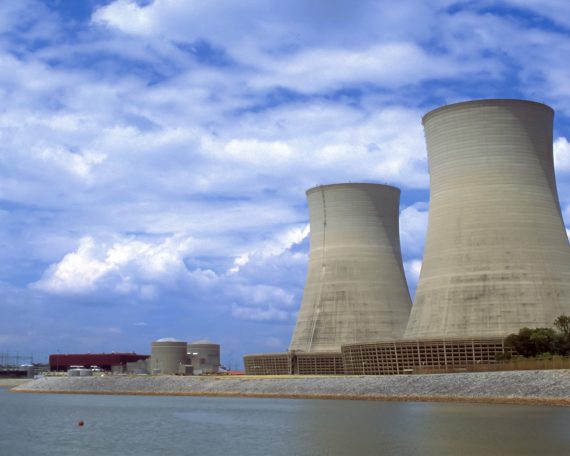
Nuclear power plants typically run either at full capacity or not at all. Yet the plants have the technical ability to adjust to the changing demand for power and thus better accommodate sources of renewable energy such as wind or solar power. Researchers from the U.S. Department of Energy’s (DOE) Argonne National Laboratory and the Massachusetts Institute of Technology recently explored the benefits of doing just that. If nuclear plants generated power in a more flexible manner, the researchers say, the plants could lower electricity costs for consumers, enable the use of more renewable energy, improve the economics of nuclear energy and help reduce greenhouse gas emissions.

Read More

Fusione nucleare e il sogno dell’energia pulita. Intervista a Piero Martin

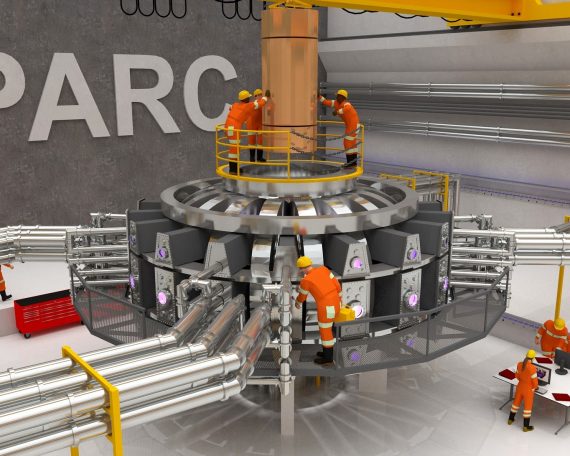
Un progetto del Plasma Science and Fusion Center (PSFC) del MIT e della compagnia CFS (Commonwealth Fusion Systems) mira a rendere la fusione nucleare operativa, ovvero commercialmente spendibile, entro 15 anni. Lo ha dichiarato al Guardian Bob Mumgaard, amministratore delegato di CFS. L’esperimento si chiama Sparc e sarà 65 volte più piccolo rispetto ad ITER (International Thermonuclear Experimental Reactor), con sede nel sud della Francia, in cui è coinvolto anche il Consorzio RFX di Padova (il Reversed Field Experiment del CNR e dell’Università di Padova).

Read More

Preparing for large-scale solar deployment

Dopo gli accordi di Parigi, le più grandi economie del mondo si sono impegnate ad adottare modelli di sviluppo più sostenibili, per scongiurare il superamento dei fatidici due gradi. Ciò significa che una percentuale sempre crescente del consumo energetico dei paesi firmatari dovrà essere coperta da fonti rinnovabili. Un gruppo di ricerca del MIT ha […]

Read More